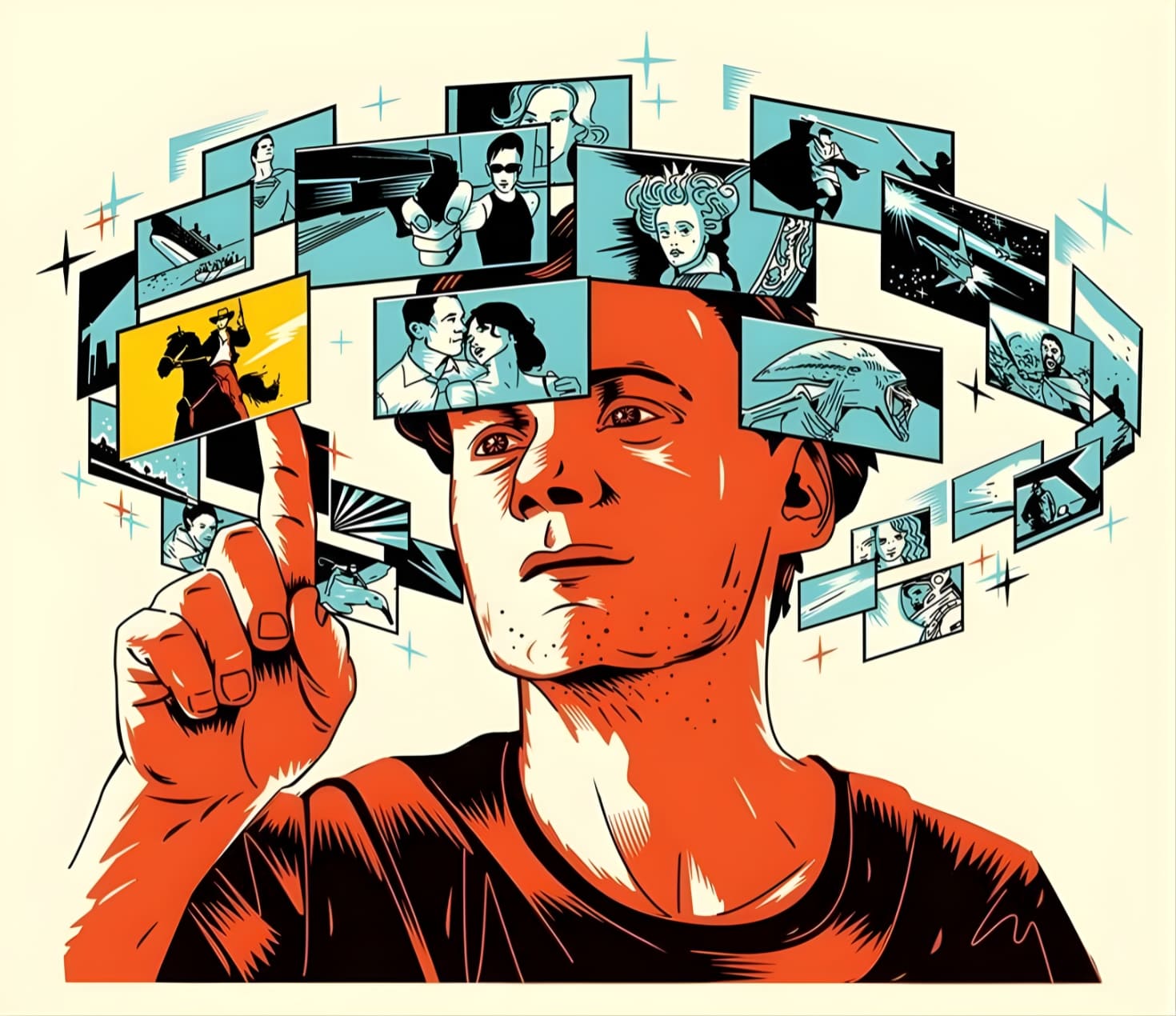
We live in a strange time.
A celebrity scandal can pull millions of people into instant discussion. A meme can spread faster than a policy that affects entire communities. A random clip can dominate attention for days. But when it comes to issues like education, poverty, climate change, or inequality, the response often feels quieter than it should.
It is easy to look at that and assume people just do not care. I do not think that is true.
More often, the problem is not the issue itself. The problem is how the issue is being communicated. People do care, but caring does not automatically turn into action. That shift only happens when the message feels real, relevant, and close enough to matter. That is where development support communication comes in.
To me, DSC is the bridge between awareness and action. It is the difference between telling people that something is important and making them actually feel why it matters. And that difference changes everything. Take education, for example.
There have been campaigns that did everything they were supposed to do on paper. Posters, TV ads, public messaging, big slogans, official support. But even after all the effort, the results barely moved. Not because the message was false, but because it was incomplete. It was talking at people, not with them. It was presenting information without addressing fear, culture, trust, or the practical barriers standing in the way.
That is why some education campaigns fail even when the cause is noble.
Now compare that with what happens when the communication changes. Instead of repeating broad statements about the importance of school, imagine showing a parent what education changed for someone exactly like their daughter. Imagine involving local voices they already trust. Imagine reducing not just doubt, but the actual barriers that make the decision harder. Suddenly the same issue stops feeling abstract. It becomes personal. It becomes possible.
That is when communication stops being decoration and starts becoming strategy. And I think this idea goes far beyond education.
A lot of the biggest problems in the world are not only policy problems. They are communication problems too. Because if people do not understand how something connects to their life, they will not move. They might agree in theory, but agreement is not action. Facts alone rarely push people forward. Stories do. Trust does. Relevance does.
You can see this even in the way mental health conversations evolved. Statistics existed for years, but numbers alone did not break the silence. What changed things was people speaking honestly. Real stories. Familiar voices. Shared experiences. That is when the message stopped sounding distant and started feeling human.
That is what makes development support communication so powerful. It does not just ask, “What is the issue?” It asks something deeper. Who needs to hear this? What is stopping them from believing it? What do they need to feel before they are ready to act?
Because in the end, the success of a message is not defined by how correct it is. It is defined by whether it can actually move someone.