
Group projects have a funny way of exposing people.
Not talent, necessarily. Not even intelligence. Just habits. Attitude. Reliability. The little things that decide whether someone is actually good to work with or just good at looking involved when the final submission is around the corner. And somehow, the same pattern shows up almost every time.
One person is quietly carrying half the load. One person is overpromising like this is their TED Talk. One disappears so completely you start wondering if they were ever part of the group at all. And then, right at the end, someone suddenly becomes very serious about credits.
That part always amazes me. Because the people who contribute the least often have the strongest opinions about how their role should be described. Editor. Ideator. Research lead. Strategist. Producer. The titles get longer as the actual contribution gets smaller.
And I think that is what makes group work frustrating. It is rarely just about the work itself. It is about misalignment. People walk into the same project with completely different assumptions. One thinks teamwork means shared ownership. Another thinks it means showing up occasionally and hoping the responsible people will handle the rest.
That is where most things start falling apart.
The real issue is not that group work is hard. The real issue is that many teams never define what the work actually is before starting. Who is doing what? Who is responsible for what? What counts as contribution? What happens if someone disappears? Nobody wants to have that conversation in the beginning because it feels awkward, but that awkwardness is still better than the resentment that comes later.
And then you meet the familiar types. The sleepers, who somehow miss every update but still appear confused at the end like the deadline personally betrayed them. The overpromisers, who commit to everything with full confidence and then vanish under the weight of their own enthusiasm. The zoners, who read every message, reply to none, and still remain in the group like decorative furniture. And of course, the credit conscious, who contribute just enough presence to feel entitled to a title.
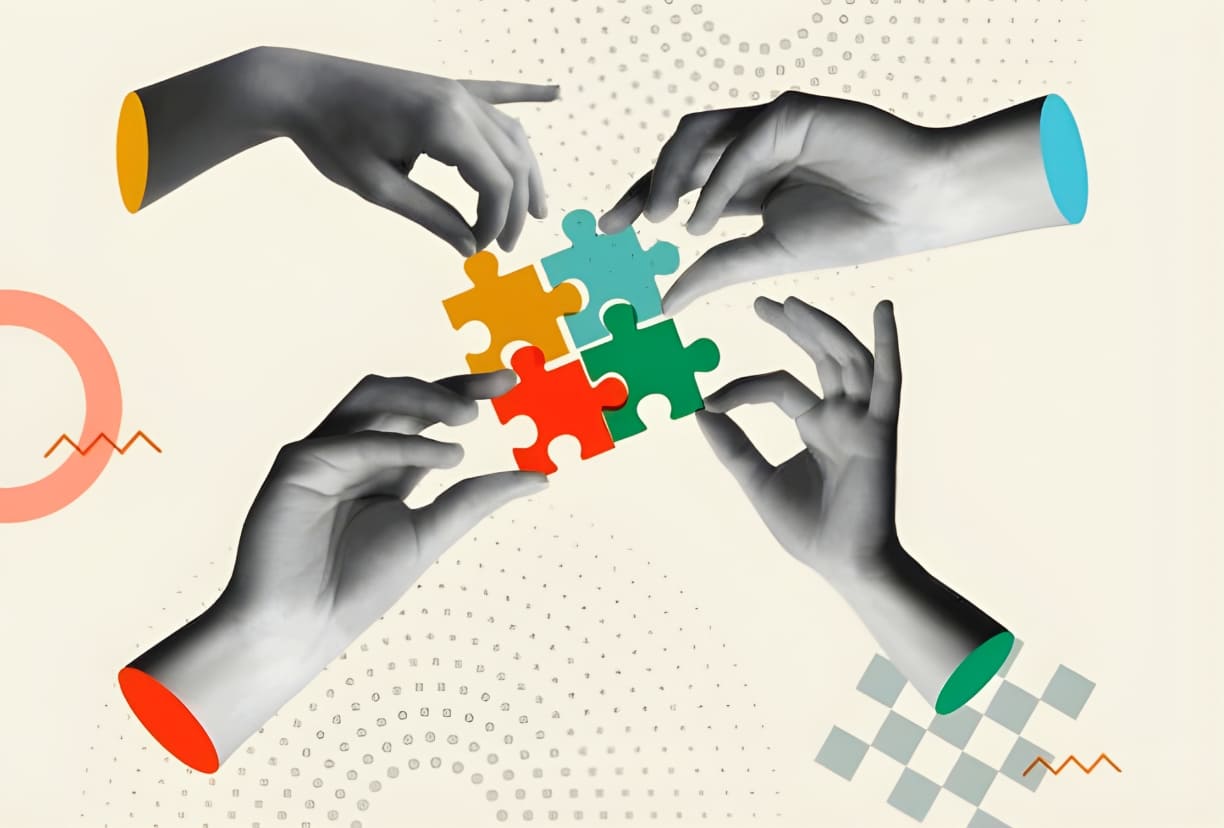
What makes all of this worse is that people often treat a team project like a temporary arrangement. Something to survive. Something to finish. But that mindset misses the bigger point.
The way you work with people builds your reputation long before your portfolio does.
People remember who made things easier. Who communicated clearly. Who stayed calm under pressure. Who actually showed up. And they also remember who made everything heavier than it needed to be. In creative work especially, that matters a lot. Because opportunities travel through trust as much as they travel through skill.
That is probably why the best collaborations I have had were never built on talent alone. They worked because expectations were clear from the start. Roles were understood. Effort was visible. Nobody was performing teamwork. They were actually doing it.
And that is the part more people need to understand. Your best work, your smartest ideas, your strongest execution, none of it will matter much if the people around you never want to work with you again.